


Henderson
5269 S. Eastern Ave.
Las Vegas, NV 89119

How Diabetic Eye Exams Help Detect Vision Loss Early
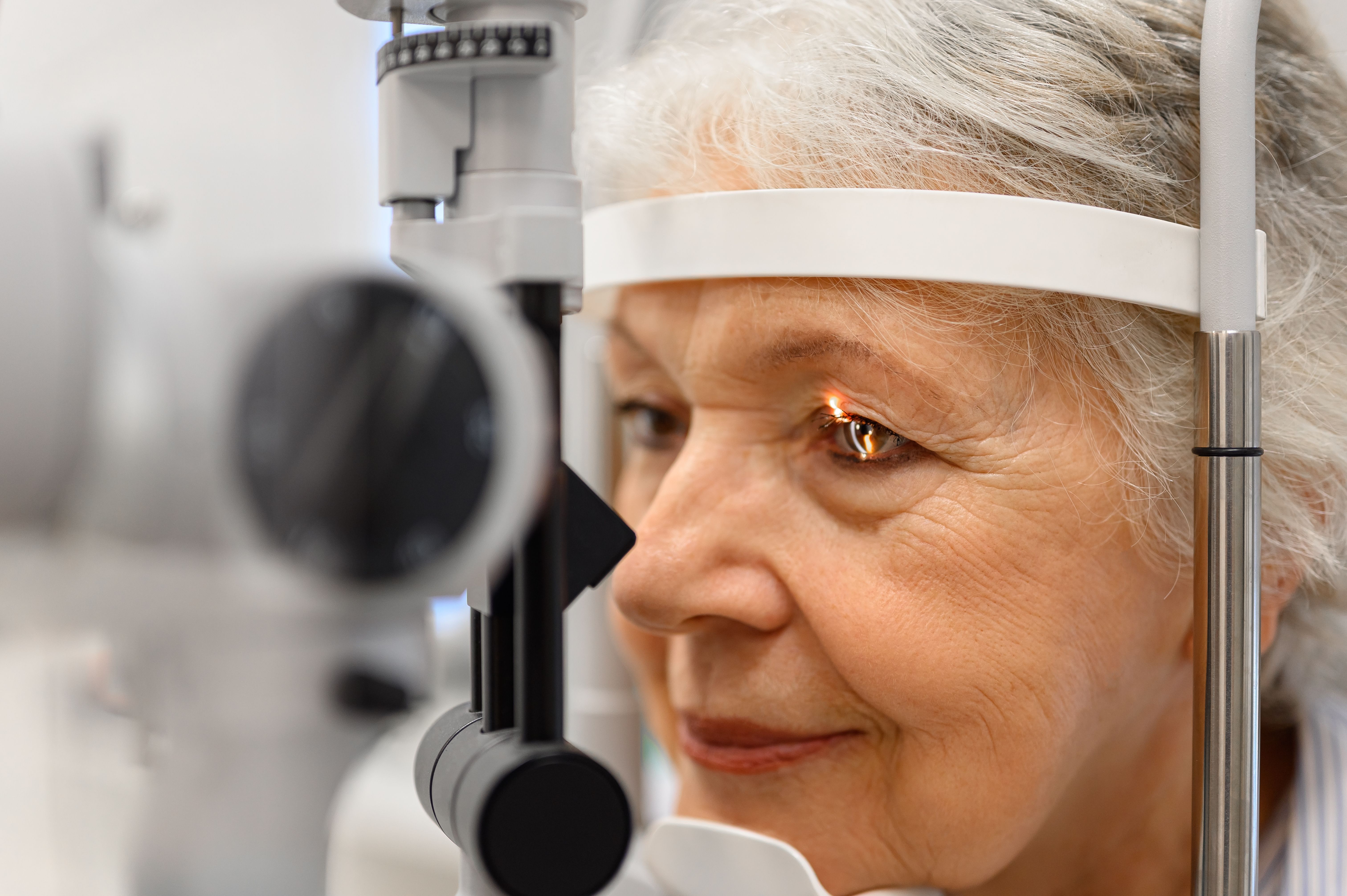
Living with diabetes means paying close attention to your overall health - and your vision is a critical part of that picture. Diabetes can quietly affect the eyes long before noticeable symptoms appear. That’s why routine diabetic eye exams play such an important role in preserving sight. At Advanced Vision Institute, diabetic eye exams are designed to detect the earliest changes in eye health, allowing treatment to begin before permanent vision loss occurs.
Why Diabetes Puts Vision at Risk
Diabetes can damage small blood vessels and sensitive nerve cells throughout the body, including those in the eyes. Over time, high blood sugar levels may lead to conditions such as diabetic retinopathy, diabetic macular edema, cataracts, and glaucoma. Many of these conditions progress silently, meaning vision can be compromised before a patient realizes anything is wrong.
Early detection is key. When eye changes are identified in their earliest stages, doctors can recommend monitoring, lifestyle adjustments, or treatment options that help slow or even prevent further damage.
What Is a Diabetic Eye Exam?
A diabetic eye exam is a comprehensive evaluation tailored specifically for patients with diabetes. While it includes many elements of a standard eye exam, it goes further by focusing on the structures and functions most vulnerable to diabetic changes. The goal is not just to assess how clearly you see today, but to evaluate the health of your eyes at a cellular and vascular level.
How a Diabetic Eye Exam Works
A diabetic eye exam follows a structured, thorough process designed to assess both vision and eye health:
Baseline Vision and Neurological Screening
The exam begins with standard vision measurements and screenings that assess how well your eyes and visual system are functioning together. These initial steps help identify changes in visual clarity and detect potential neurological concerns that may affect vision.
Detailed Eye Health Evaluation
Using specialized instruments, the doctor examines the front of the eye and internal structures to evaluate overall eye health. This step helps detect early signs of inflammation, lens changes, or other abnormalities that could be influenced by diabetes.
Color and Peripheral Vision Testing
Diabetes can affect the light-sensitive cells in the retina responsible for color perception and side vision. By assessing color discrimination and peripheral awareness, the exam can uncover subtle dysfunction before noticeable vision loss occurs.
Advanced Retinal Imaging
High-resolution digital imaging allows the doctor to view detailed images of the retina, optic nerve, and blood vessels. These images help identify swelling, leaking vessels, or structural changes associated with diabetic eye disease - often before symptoms begin.
Eye Dilation for a Complete View
Dilating the pupils provides a wider view of the retina, including its outer edges. This step ensures even the most peripheral areas of the retina can be thoroughly examined for early signs of damage.
How These Exams Help Detect Vision Loss Early
Because diabetic eye disease often develops without pain or obvious symptoms, regular exams are the most reliable way to catch problems early. Diabetic eye exams can reveal microscopic changes in blood vessels, early nerve damage, or subtle retinal stress long before vision is affected. Detecting these changes early allows for timely intervention, which significantly reduces the risk of severe or permanent vision loss.
Who Should Get a Diabetic Eye Exam?
Anyone with diabetes - whether type 1 or type 2 - should have regular diabetic eye exams. Even patients with well-controlled blood sugar and clear vision can benefit, as eye changes may still occur beneath the surface. Your eye doctor can recommend how often exams should be scheduled based on your individual health and risk factors.
Clear Vision Begins with Preventive Care
Diabetic eye exams are one of the most effective tools for protecting long-term vision in patients with diabetes. By identifying early changes that are invisible to the naked eye, these exams make it possible to address problems before they threaten sight. Consistent monitoring, paired with proactive care, can make a lasting difference in preserving healthy vision.
If you have diabetes, don’t wait for vision changes to appear - schedule a diabetic eye exam at Advanced Vision Institute today. Contact our Henderson or Summerlin office in Las Vegas, Nevada, by calling (702) 819-9800 to book an appointment.

© 2026 Advanced Vision Institute. All rights Reserved - Accessibility Statement - Privacy Policy - Sitemap
Powered by

